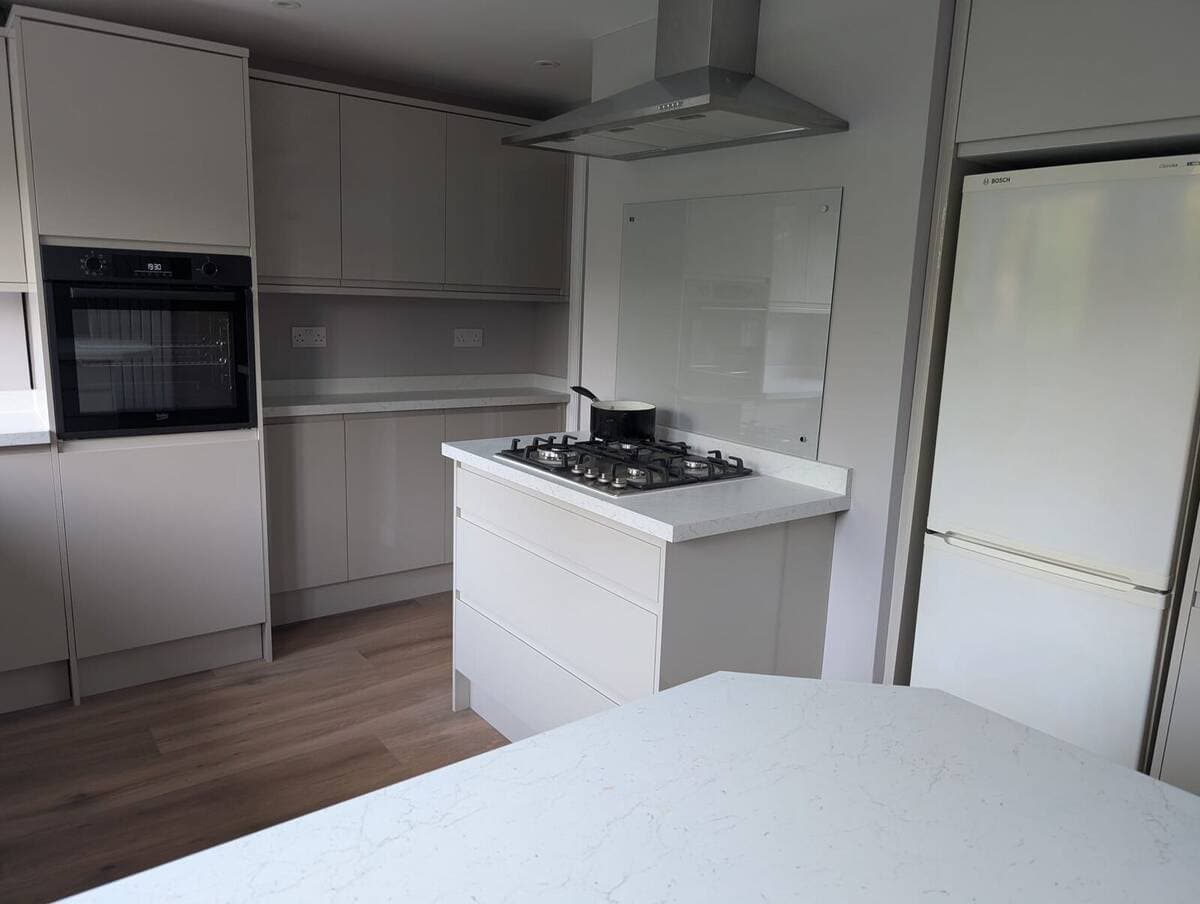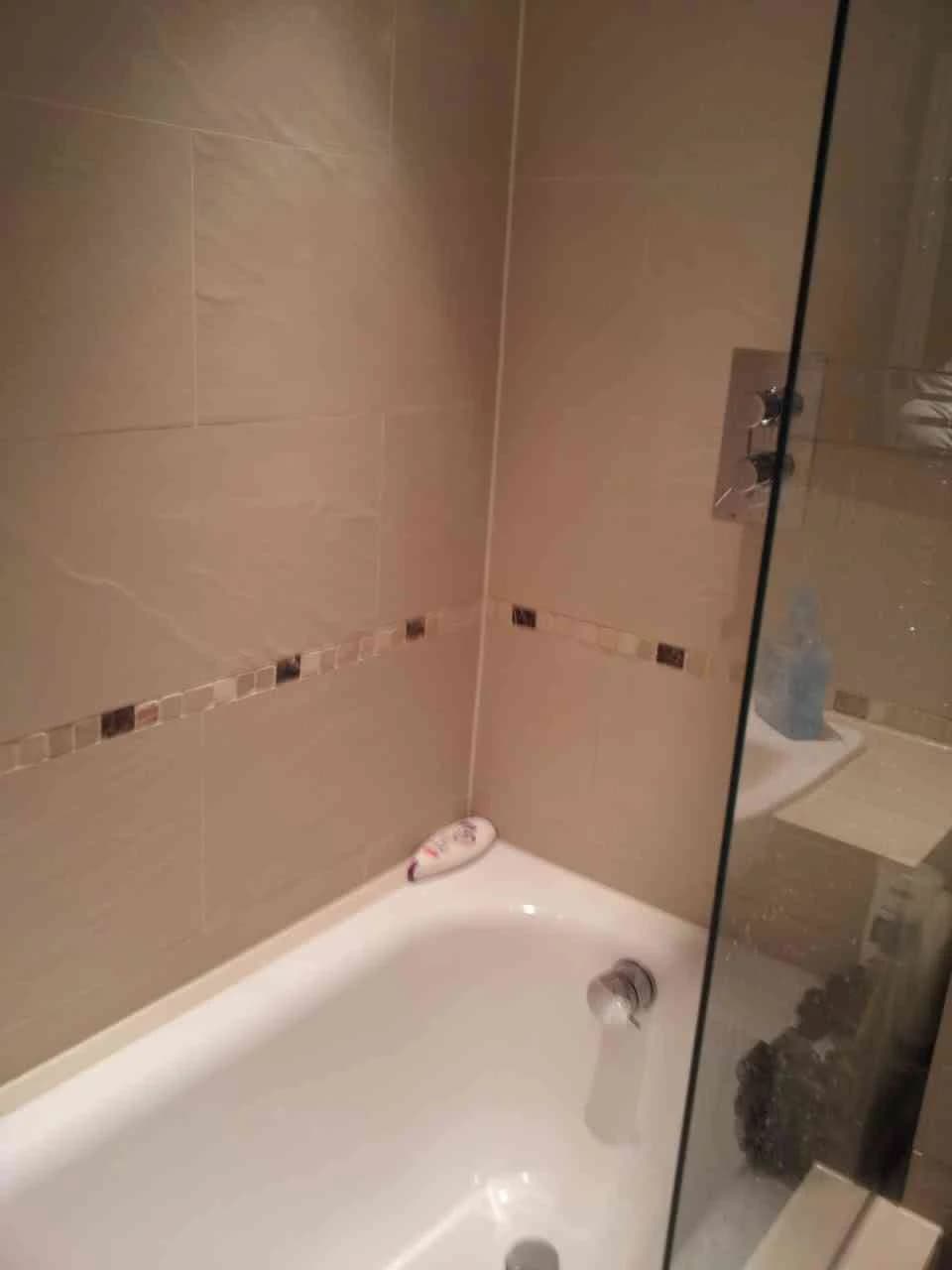
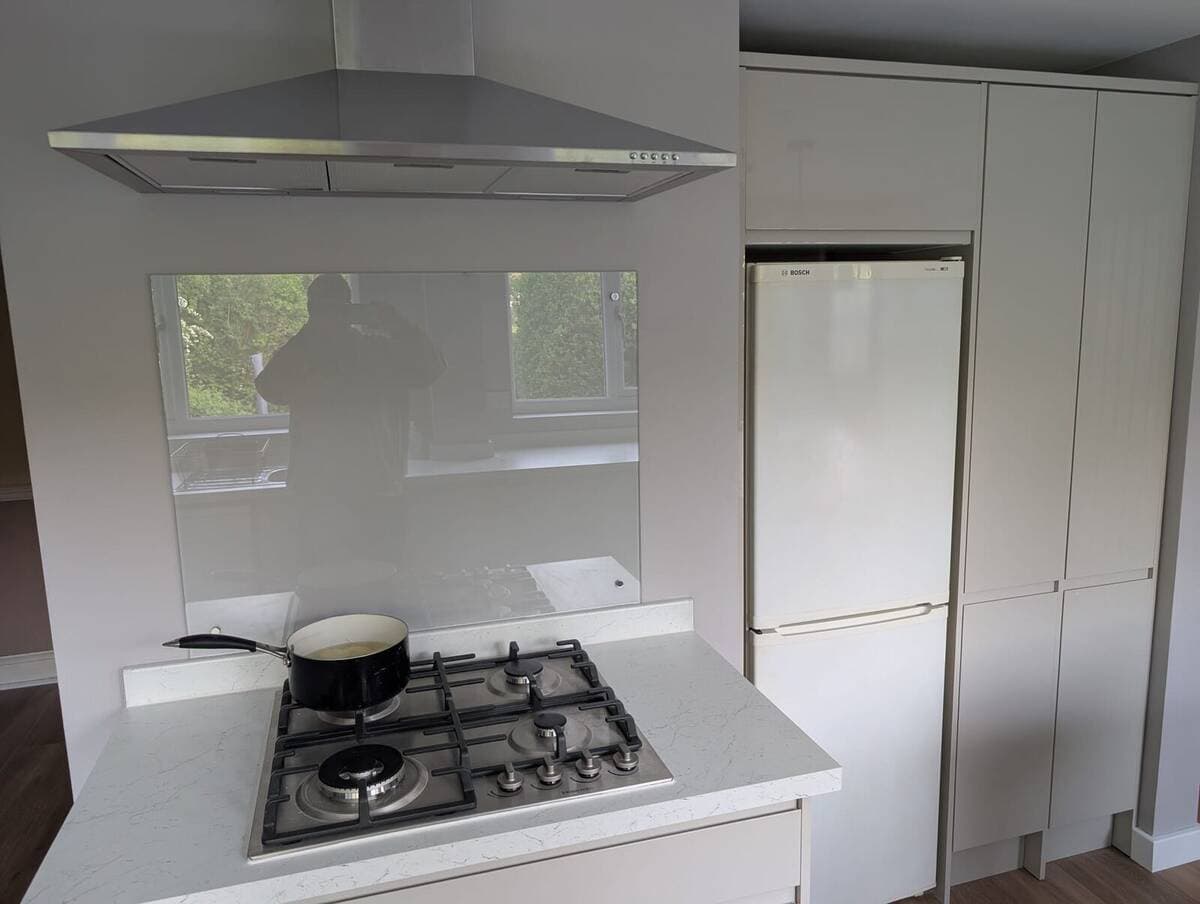
Very few households move out for a refurbishment. They live in it, which means the practical question is not only how long the work takes but how many nights are without hot water, how many days without a working kitchen, and whether the heating will be on in November.
G R Plumbing carries out refurbishment work across Coulsdon, and this is how the plumbing and heating side is sequenced when people are still living in the house.
Agree the outages before anything starts
Every project has a small number of genuine interruptions, and they are predictable: the day the water goes off for the main alterations, the period the heating is down while the system is opened, and the stretch without a usable bathroom or kitchen. Those should be named as dates before the first tool arrives, not discovered on a Wednesday morning.
Most of them can be kept short with a little planning. Temporary connections keep a single toilet and washbasin usable, a working outlet keeps a kettle and a microwave going while a kitchen is out, and staging the system work means the heating can often be returned to service overnight even mid-project.
- Get the water-off and heating-off periods named as dates.
- Ask for one working toilet and washbasin throughout.
- Agree a temporary kitchen arrangement in writing, however basic.
First fix is the disruptive half, and the invisible one
Plumbing and heating go in early, while floors are up and walls are open, because pipework cannot be threaded through a finished house without breaking it open again. That means the noisiest, dustiest and most disruptive phase produces almost nothing visible, which is disheartening if nobody has explained it.
It is also the phase where decisions are cheapest and most permanent. Where the radiators go, whether the system is zoned, where isolation valves sit, whether a future outside tap or garden supply gets a duct, all cost very little now and are genuinely expensive later.
- First fix is loud, dusty and produces nothing you can see.
- Every pipework decision is cheapest while the floor is up.
- Add isolation valves generously; they make all future work small.
Sequencing so the trades do not undo each other
The order that works is consistent: strip out, then first fix plumbing, heating and electrics, then plastering, then floors, then second fix, then decoration. Work taken out of that order is the commonest source of both delay and damage, because a fitted kitchen is a terrible place to discover a pipe needs moving.
Where a household is living in, the sequence also decides comfort. Getting the heating system pressure tested and back into service before plastering means the house dries and stays warm through the messy weeks, which matters far more in October than in June.
- Strip out, first fix, plaster, floors, second fix, decorate.
- Pressure test before anything is closed up.
- Get heating back into service before the drying-out phase.
Dust, access and the human arrangements
Practical protection matters more than people expect: dust sheeting and floor protection on the routes in and out, a taped screen at the boundary of the work, and an agreed place for materials and waste. Dust migrates through a house astonishingly efficiently, and containing it at the source is far easier than cleaning it afterwards.
Then the arrangements that stop friction: agreed working hours, who holds a key, where the stopcock is and who may turn it, and a single point of contact for questions. G R Plumbing settles those at the start because a refurbishment in an occupied house is as much about predictability as it is about pipework.
- Screen the work area and protect the routes through the house.
- Agree hours, keys and a single contact before day one.
- Everyone on site should know where the stopcock is.
Related pages
Questions customers ask
How long will we be without hot water during a refurbishment?
Usually a defined period rather than the whole project, often a day or two around the main system alterations. It should be named as dates in advance, and temporary arrangements can often shorten it.
Can we keep the heating on while work is happening?
Mostly yes. The system comes down for the alterations, but staging that work means it can often be refilled and returned to service between phases rather than being off for weeks.
What should be decided before the first day?
Radiator positions, whether the system is zoned, where isolation valves go, the outage dates, working hours and the temporary kitchen and bathroom arrangements. All of those are cheap now and expensive later.
Name the outages, respect the sequence, spend the decisions while the floor is up, and contain the dust. A refurbishment in an occupied house is a logistics job with plumbing in it.
G R Plumbing covers Coulsdon for refurbishment plumbing and heating. The contact page takes a scope and preferred dates.