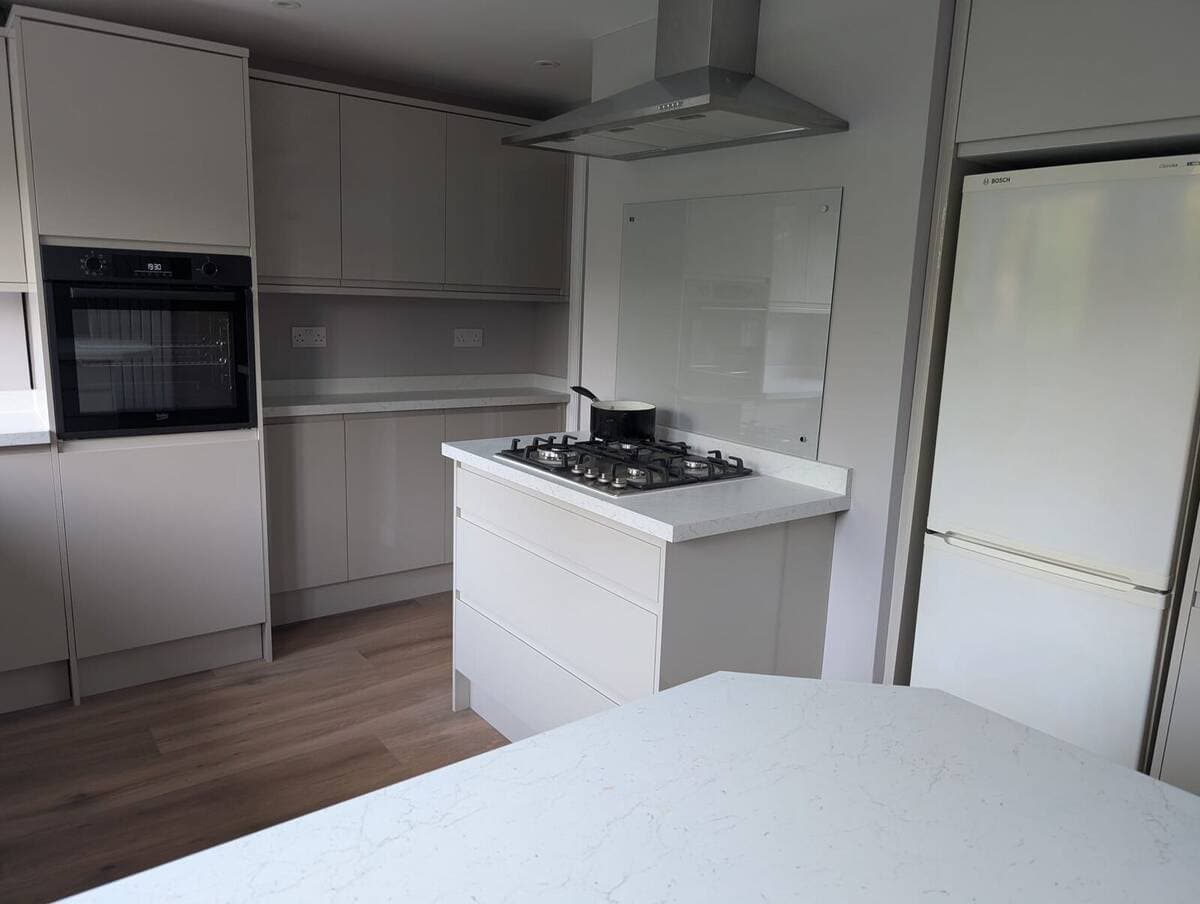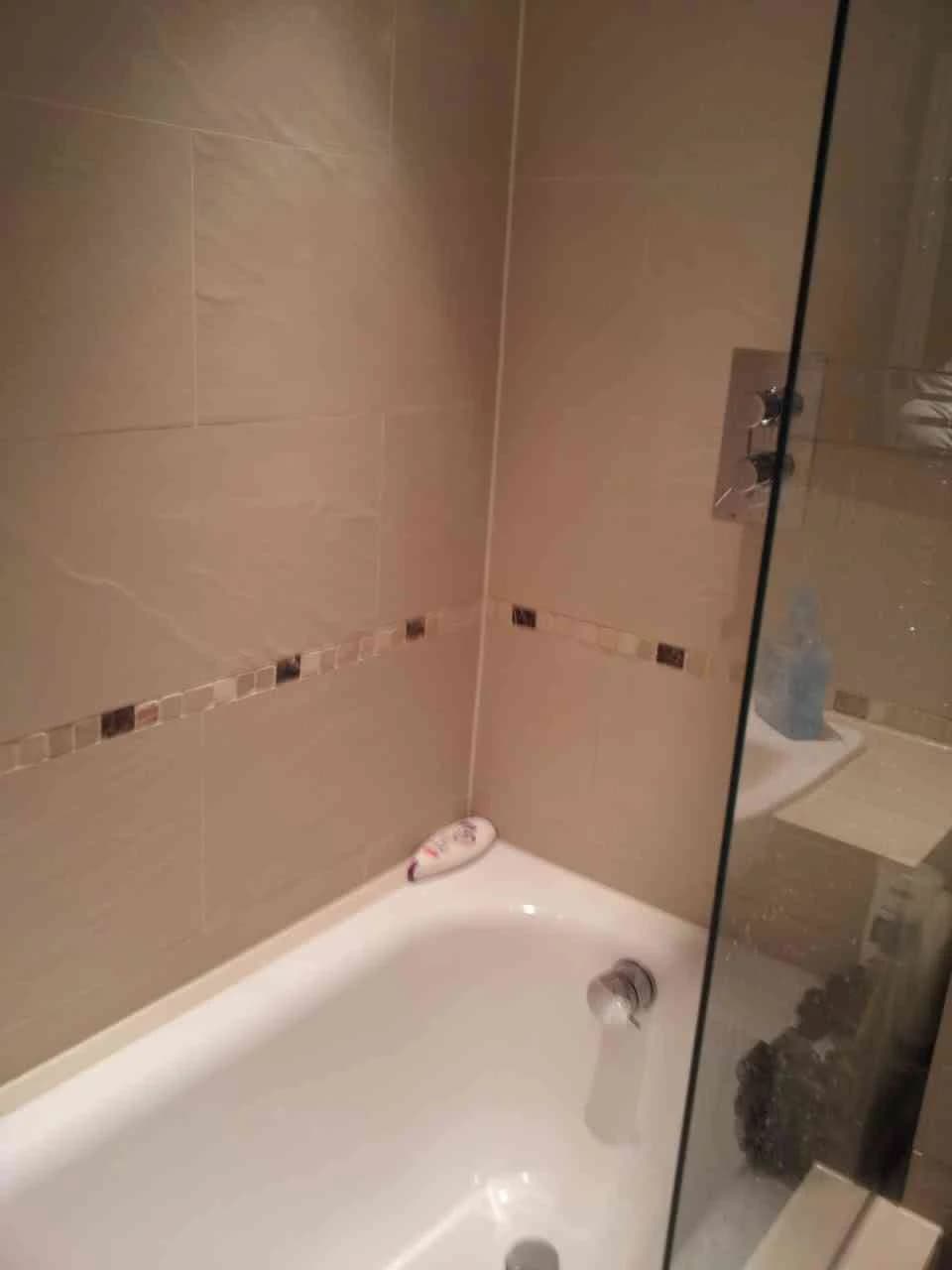
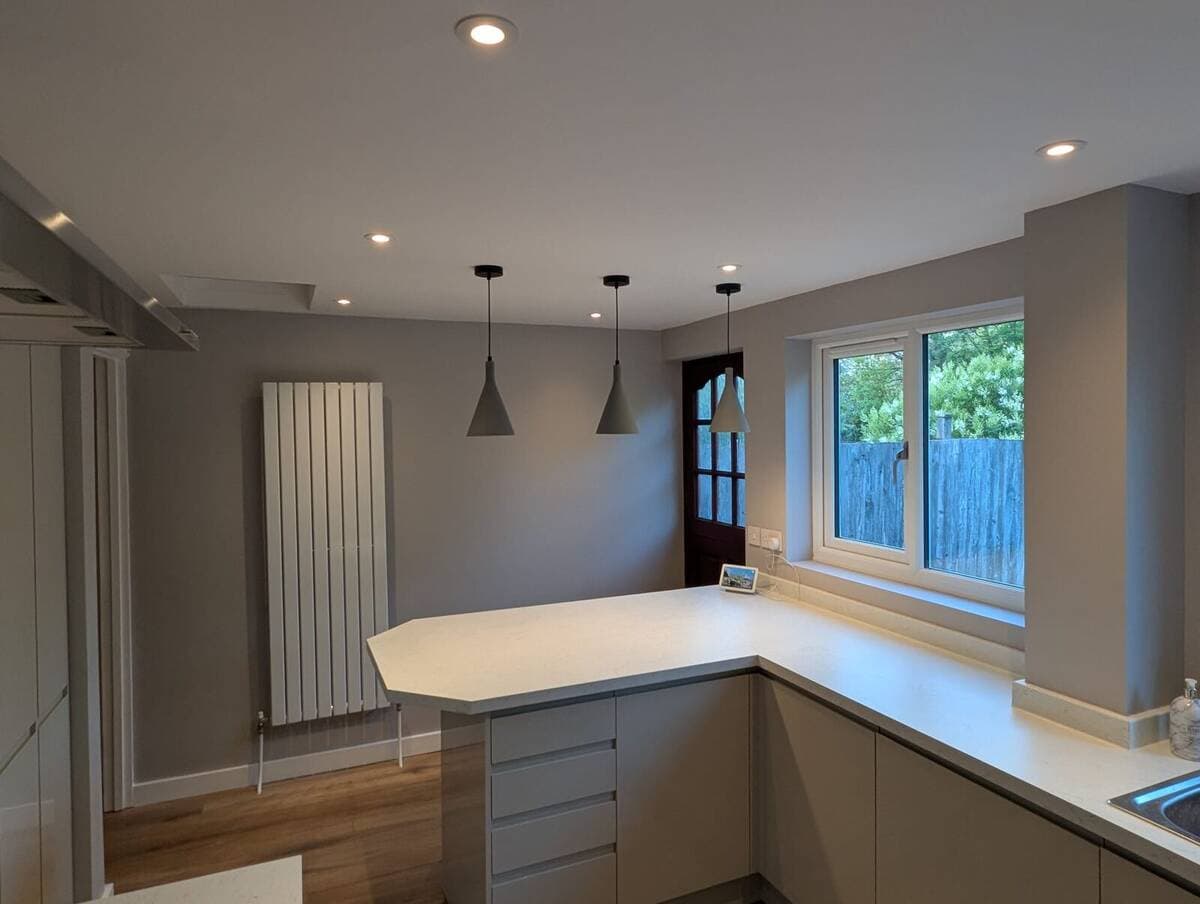
Refurbishment budgets get spent on what people see, and refurbishment regrets come from what they cannot. Pipework and heating are buried infrastructure with one convenient window for change, and that window closes the moment floors and finishes go back.
G R Plumbing works through refurbishments across Caterham, and this is why the services come first.
The window that opens once
During a refurbishment the floors are up, walls are open and rooms are empty: everything that is normally buried is briefly reachable. Rerouting pipework, upsizing runs, replacing tired sections, adding zones and correcting past improvisation all cost a fraction of what they cost afterwards.
The corollary is unforgiving: services deferred to after decoration are services that get done badly, cheaply or never. It is worth arguing for the boring work early, because the argument does not come back.
- Open floors and walls are the cheap moment.
- Deferred service work rarely happens well.
- Argue for the boring stage first.
Opportunities that exist only now
The list repeats across projects: radiators repositioned to suit the new layout rather than the old one, pipework upsized where a future heat source or an extra bathroom will need it, zone valves added so upstairs and downstairs stop sharing a schedule, and capped feeds left for the utility or downstairs toilet planned for later.
Each is minutes of extra work inside an open floor and a day of disruption afterwards. G R Plumbing raises them deliberately during refurbishment planning so households choose rather than discover.
- Radiators sized and placed for the new layout.
- Runs upsized for future demand.
- Zoning added while pipework is exposed.
- Capped feeds left for planned future rooms.
Coordinating with the other trades
Refurbishments live or die on sequence: structural work, then services first fix, then plaster, then floors, then second fix, then decoration. Every trade that arrives out of order damages the work of the one before it, and the plumber arriving after the plasterer is the classic expensive mistake.
Practical coordination matters as much as theory: knowing which day the floor closes, which walls are being chased, and when the boiler must be off. A services trade that communicates dates rather than intentions keeps the whole programme honest.
Reinstatement is part of the job
The last measure of services work in a refurbishment is what it leaves behind: floors relaid soundly, chases filled properly, boxing built where routes cross living space, and nothing left for the decorator to disguise.
The paperwork closes it: certification for any gas or notifiable work, commissioning readings where new appliances went in, and a note of what was capped, zoned or left for future use. That note is worth keeping, because in ten years it is the only record of what is behind the plaster.
Related pages
Questions customers ask
Why do plumbing and heating come before decoration?
Because they are buried: floors and walls have to be open, and any later change means reopening finished surfaces. Doing them first is the difference between one disruption and two.
What should I add while the floors are up?
Radiator repositioning, upsized runs for future demand, zoning, and capped feeds for rooms planned later. Each is minutes now and a day of disruption afterwards.
What records should a refurbishment leave?
Certification for gas and notifiable work, commissioning readings for new appliances, and a written note of anything capped, zoned or left for future use behind the plaster.
Services first, opportunities taken while floors are open, trades sequenced, reinstatement and records at the end: that is refurbishment run so the buried half never becomes a regret.
G R Plumbing works to that order across Caterham. The contact page starts with your programme.